
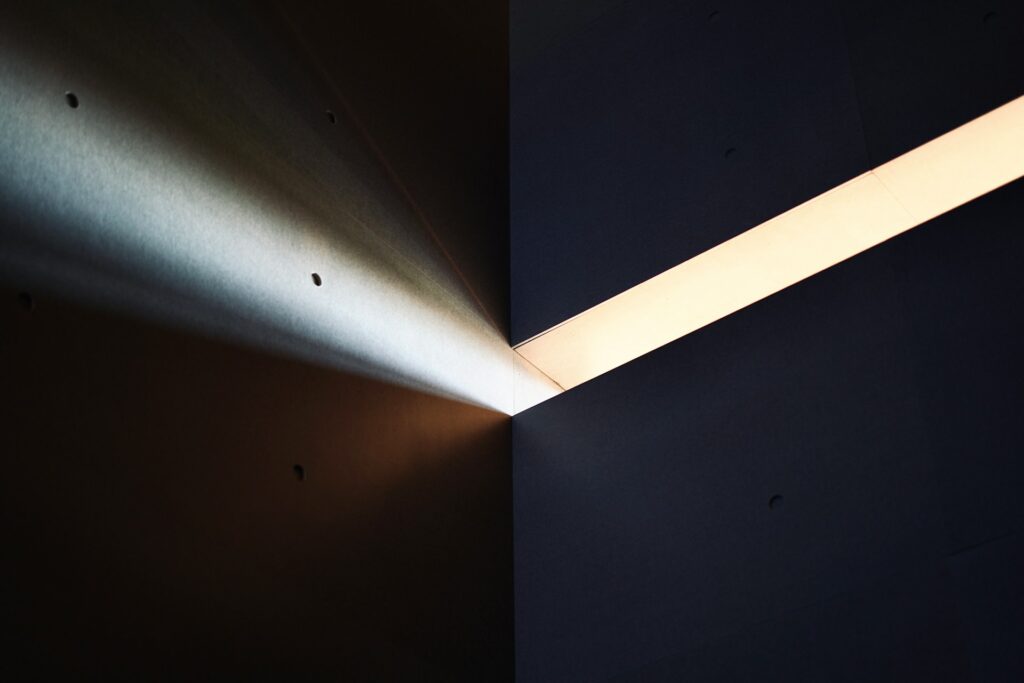
Lighting is one of the most underestimated parts of architecture and interior design.
Many people see it as a final decorative step — choosing fixtures, adding spotlights, or selecting warm and cool tones after construction is already complete.
In reality, lighting shapes how an entire space is experienced.
A well-designed interior can lose its impact completely under poor lighting. Materials appear different, proportions feel uncomfortable, shadows become distracting, and even expensive finishes can look flat or lifeless. On the other hand, thoughtful lighting can transform a simple space into something refined, calm, and visually balanced.
This is where the role of a lighting engineer becomes essential.
Modern projects are no longer designed only around walls and furniture. They are designed around atmosphere, function, efficiency, and human experience. A lighting engineer studies how light interacts with architecture throughout the day and how artificial lighting supports the space during the night. The process involves much more than placing fixtures on a ceiling plan.
Different spaces require completely different lighting behavior. A luxury residence, office, retail store, restaurant, clinic, or hotel all depend on different lighting strategies. Some environments require focus and clarity, while others depend on softness, warmth, and emotional comfort. The wrong lighting temperature or intensity can change the psychological feeling of an entire room.
Technical performance is equally important. Poor lighting planning often creates common problems such as glare, uneven illumination, excessive energy consumption, visual fatigue, or dark zones that weaken the spatial composition. In larger projects, incorrect lighting coordination can also create conflicts with air conditioning systems, ceiling details, electrical layouts, and structural elements.
A professional lighting engineer balances aesthetics with technical precision. They calculate light distribution, beam angles, reflection behavior, ceiling heights, power efficiency, and fixture positioning to ensure the final result works both visually and functionally.
Natural light is also part of the equation. In strong architectural projects, daylight is studied carefully before artificial systems are introduced. The orientation of openings, window dimensions, shading systems, and material reflections all influence how a space feels throughout the day. Good lighting design respects both sunlight and artificial illumination as one connected experience.
In recent years, lighting has become one of the defining elements of contemporary architecture. Minimalist interiors especially rely heavily on light itself to create depth, contrast, and identity. In many modern spaces, lighting is no longer hidden behind the design — it becomes part of the architecture.
At Arconix Build & Design, lighting is treated as a core design discipline rather than a finishing detail. Successful projects are not only built through materials and forms, but through the careful control of how people see, feel, and experience the space around them.